Living on the edge of a tidal marsh in coastal Virginia offers a front-row seat to one of nature’s most dynamic ecosystems. From the rhythmic ebb and flow of the tide to the haunting call of the Great Blue Heron, the Tidewater region is a place where land and water dance in a delicate balance. However, for many homeowners, landscaping this unique transition zone can be a challenge. Creating a successful marsh garden requires more than just picking pretty flowers; it demands an understanding of salt tolerance, soil saturation, and the vital role of native species. By embracing the principles of wetland gardening, you can transform your backyard into a resilient, living buffer that protects the Chesapeake Bay watershed while enhancing your home’s aesthetic appeal.
Understanding Your Coastal Landscape: The Three Zones of Success
Understanding Your Coastal Landscape: The Three Zones of Success
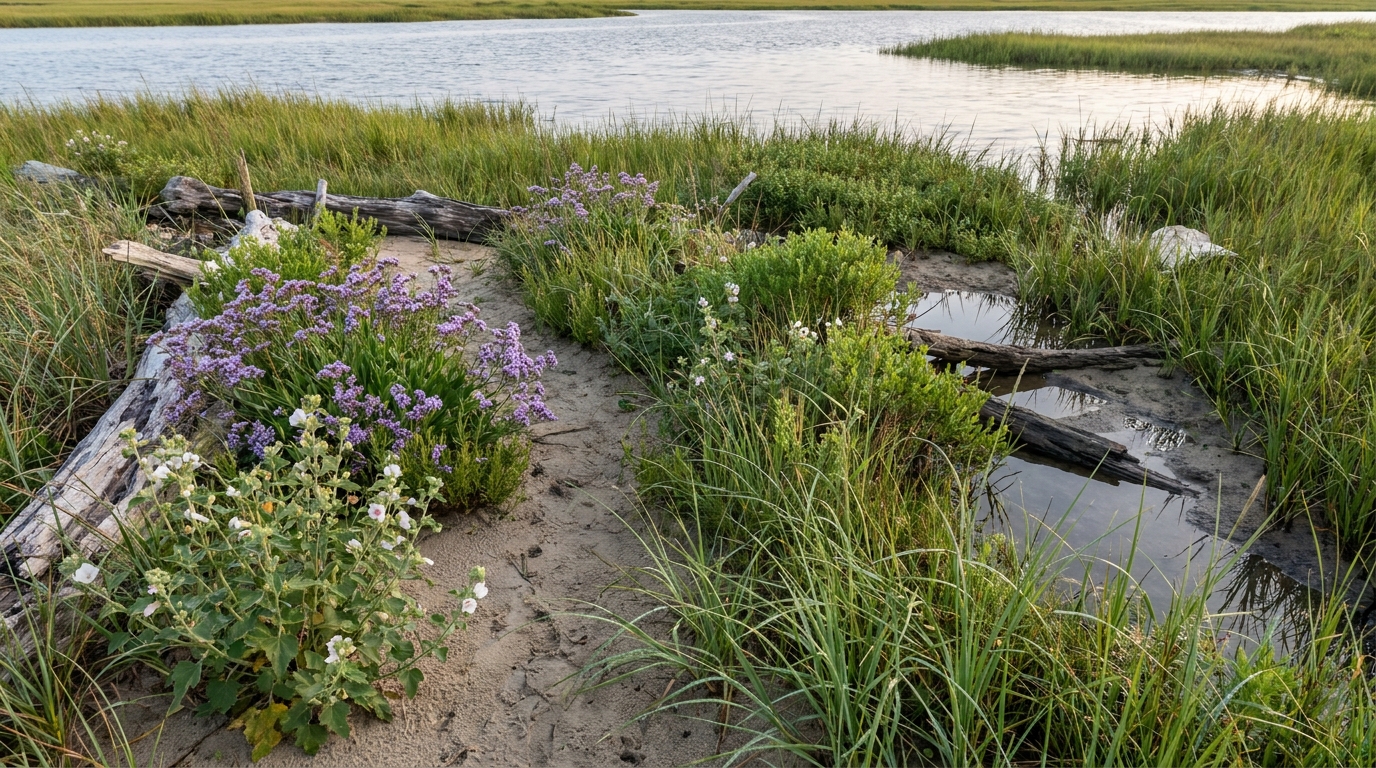
Before you pick up a shovel, you must understand the hydrology of your backyard. A coastal garden bordering a marsh isn't a uniform space; it is a gradient of environmental stressors. In Virginia, our coastal landscapes are typically divided into three distinct zones based on their proximity to the water and their frequency of inundation. Mapping these zones is the first step in ensuring your plants not only survive but thrive in the face of rising sea levels and seasonal storms.
The Low Marsh: The Front Line of Inundation
The low marsh is the area most frequently covered by daily tides. In coastal Virginia, this zone is often dominated by Spartina alterniflora (Smooth Cordgrass). While you may not be "gardening" here in the traditional sense, this zone is the foundation of your shoreline's stability. It absorbs wave energy and traps sediment. If your property includes a low marsh area, your primary goal is preservation. Avoid disturbing the existing vegetation, as these plants are the primary defense against shoreline retreat. Any intervention here usually requires permits from local wetlands boards, as it is a critical habitat for juvenile fish and blue crabs.
The High Marsh and Transition Zone
This is where the real marsh garden begins. The high marsh is only flooded during exceptionally high tides or storm surges. The soil here is often saturated and boasts high salinity levels. This zone acts as a filter, catching nutrient runoff from your lawn before it reaches the open water. The transition zone, or the "upland fringe," is the area just above the high tide line. Here, plants must be able to handle "wet feet" during heavy rains but also tolerate periods of drought and salt spray. Understanding the exact line where the tide reaches during a Nor'easter is crucial for selecting the right species for this middle ground.
The Upland Buffer: Protecting the View
The upland buffer is the area furthest from the water, where the soil is better drained but still influenced by the coastal climate. In this part of your coastal garden, you have more flexibility with plant choices, but you should still prioritize salt-tolerant natives. This zone provides the necessary height and structure to frame your view of the marsh. Using a mix of evergreen shrubs and deciduous trees here creates a visual screen and a windbreak, protecting more delicate plants closer to the house from the harsh, salt-laden winds coming off the Atlantic or the Chesapeake Bay.
Top Native Plant Selections for the Virginia Coast
Virginia’s native flora is remarkably adapted to the harsh conditions of the Atlantic coast. When engaging in wetland gardening, choosing plants that have evolved in the Tidewater region ensures that your garden requires less fertilizer, less supplemental water, and provides maximum benefit to local wildlife like the Diamondback Terrapin and various migratory songbirds.
Groundsel Bush (Baccharis halimifolia)
The Groundsel Bush, also known as Sea Myrtle, is a superstar of the Virginia marsh edge. This deciduous shrub is incredibly salt-tolerant and can handle both wet and dry soils. It typically grows 6 to 12 feet tall, making it an excellent choice for a natural privacy screen. What makes the Groundsel Bush truly special is its late-season interest. In the fall, when most other plants are going dormant, the female plants produce masses of silvery-white, feathery seed heads that look like clouds hovering over the marsh. It provides essential nectar for migrating Monarch butterflies during their journey south.
Saltmeadow Hay (Spartina patens)
For the ground layer of your marsh garden, few plants are as iconic as Saltmeadow Hay. This fine-textured perennial grass is famous for creating the "cow-lick" patterns seen in healthy high marshes. It grows in dense mats, which makes it an exceptional tool for erosion control. Saltmeadow Hay is highly resistant to salt spray and can tolerate occasional flooding. Its shimmering green blades turn a beautiful golden-bronze in the winter, providing year-round visual interest and vital nesting material for coastal birds.
Swamp Rose Mallow (Hibiscus moscheutos)
If you want to add a pop of dramatic color to your wetland gardening project, the Swamp Rose Mallow is a must-have. This native perennial produces massive, dinner-plate-sized flowers in shades of white, pink, or crimson with deep red centers. Despite its delicate appearance, it is a rugged plant that thrives in the moist, acidic soils of Virginia’s coastal plains. It typically blooms from mid-to-late summer, providing a tropical feel to your backyard while supporting native pollinators like the specialized Hibiscus Bee.
Wax Myrtle (Morella cerifera)
Every coastal garden in Virginia should include the Wax Myrtle. This versatile evergreen shrub or small tree is famous for its spicy-scented leaves and small, waxy gray berries. The berries are a critical winter food source for the Yellow-rumped Warbler. Wax Myrtle is incredibly resilient; it can be pruned into a formal hedge or allowed to grow into a billowing, natural shape. Its ability to fix nitrogen in the soil also helps improve the health of the surrounding landscape, making it a functional and beautiful addition to the upland transition zone.
Design Strategies for a Living Shoreline
In the past, homeowners often installed bulkheads or rip-rap (large rocks) to stop erosion. However, we now know that these "hard" structures often accelerate erosion on neighboring properties and destroy vital habitats. The modern alternative is a "living shoreline." This design strategy uses native plants, sand, and sometimes limited rock or oyster shells to provide shoreline protection while maintaining the natural continuity of the land-water interface.
Natural Erosion Control and Sediment Trapping
The key to a living shoreline is the use of deep-rooted native plants to bind the soil. Unlike turf grass, which has shallow roots that easily wash away, native marsh grasses like Spartina have extensive rhizome systems that create an underground web. When designing your marsh garden, plant in dense drifts rather than isolated clumps. This mimics natural patterns and ensures that if one plant is damaged by debris during a storm, the others can fill the gap. Over time, these plants will trap sediment brought in by the tide, actually building up the elevation of your shoreline naturally.
Creating a Multi-Tiered Buffer
A successful design should be tiered to maximize ecological benefits. Start with low-growing grasses at the water's edge, transition to herbaceous perennials and sedges in the middle, and finish with woody shrubs and trees on the higher ground. This vertical structure breaks the force of the wind and slows down rainwater runoff from your roof and driveway. By slowing the water down, you allow the plants and soil to filter out pollutants, ensuring that the water entering the marsh is as clean as possible. This is a core tenet of responsible wetland gardening in the Chesapeake Bay region.
Aesthetic Balance: Blending Wild and Managed Spaces
Many homeowners worry that a marsh garden will look "messy." The secret to a polished coastal look is the "frame and focal point" method. Use mowed paths or low timber borders to create clean lines that signal intentionality. Place high-impact plants like the Swamp Rose Mallow or Sweetbay Magnolia in spots where they can be seen from your windows. By framing the wilder, native sections of your garden with structured elements, you create a landscape that feels like a curated extension of the natural world rather than an untamed thicket.
Maintaining Your Coastal Marsh Garden
Maintaining Your Coastal Marsh Garden
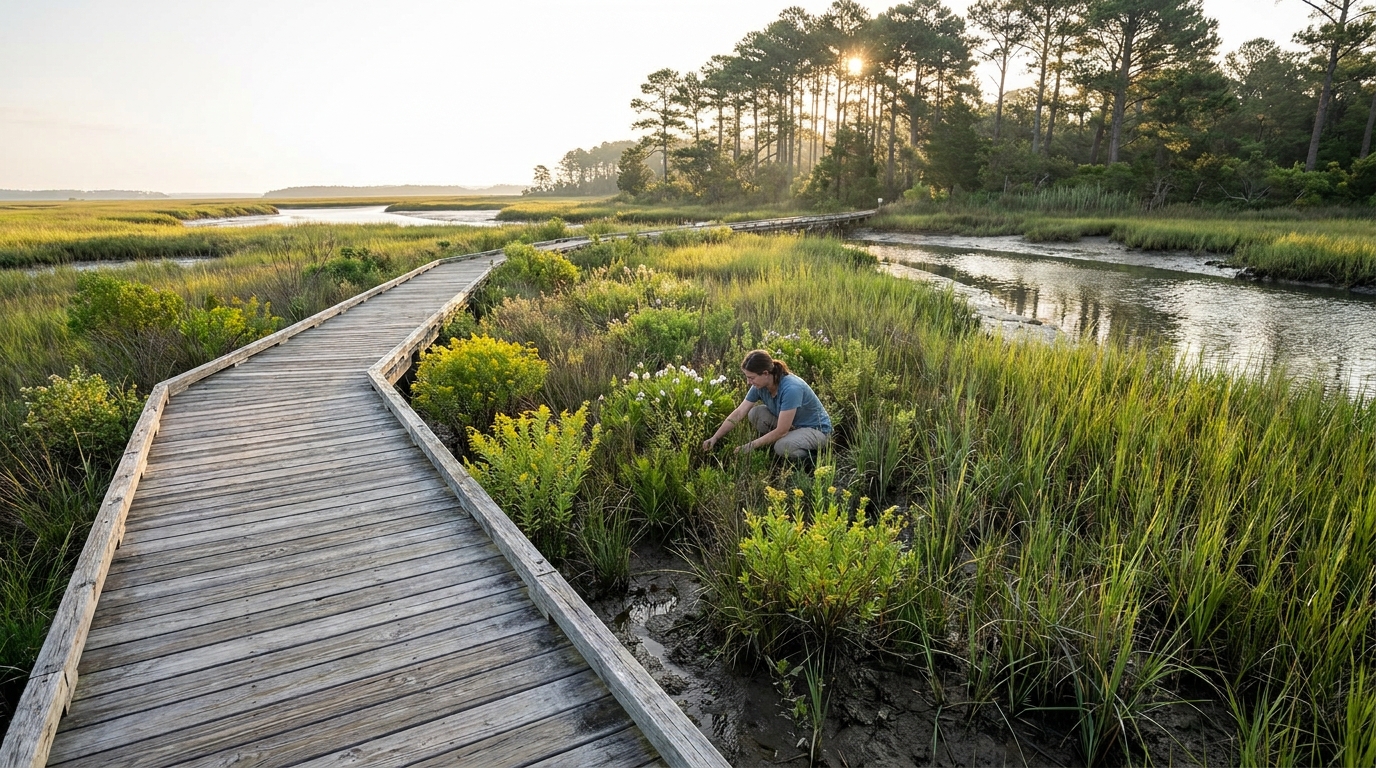
While native plants are generally lower maintenance than traditional landscapes, a coastal garden still requires thoughtful care. The environment is constantly changing, and your maintenance routine should reflect the seasons of the Tidewater region. Proper care ensures that your living buffer remains effective and beautiful for years to come.
Managing Invasive Species
One of the biggest threats to a healthy marsh garden is the encroachment of invasive species like Phragmites australis (Common Reed). This tall, aggressive grass can quickly crowd out native Saltmeadow Hay and Groundsel Bush, creating a monoculture that offers little value to wildlife. Regularly scout your shoreline for Phragmites and remove it early. Early detection is key, as established stands are incredibly difficult to eradicate without professional-grade herbicides. Keeping your native plantings dense will help prevent these invaders from finding a foothold in your soil.
Seasonal Cleanup and Storm Prep
In the fall and winter, resist the urge to cut everything back to the ground. The standing stalks of grasses and perennials provide critical overwintering habitat for beneficial insects and seeds for birds. In the spring, before new growth begins, you can trim back the dead material. Additionally, after major coastal storms, check your garden for "wrack"—the mats of dead seagrass and debris washed up by the tide. While a small amount of wrack provides nutrients, thick mats can smother your plants and should be gently dispersed or removed to allow the underlying vegetation to breathe.
Conclusion: Embracing the Coastal Legacy
Designing a marsh garden in coastal Virginia is an opportunity to partner with nature rather than fight against it. By carefully identifying your yard's tidal zones and selecting resilient native species like Groundsel Bush and Saltmeadow Hay, you create a landscape that is both beautiful and functional. These "living shorelines" do more than just improve property value; they act as a vital heartbeat for the entire Chesapeake Bay ecosystem, filtering water and providing sanctuary for countless species. Whether you are a seasoned pro at wetland gardening or just starting your first coastal garden, the transition from lawn to marsh-edge sanctuary is a rewarding journey that honors the unique spirit of the Virginia coast. Start small, observe the tides, and watch as your backyard transforms into a thriving, resilient masterpiece.